White Spiti: The Ultimate Winter Guide & Snow Leopard Quest (2026)
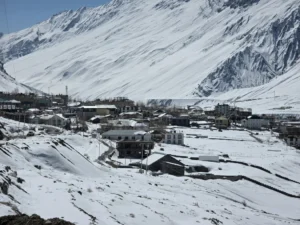
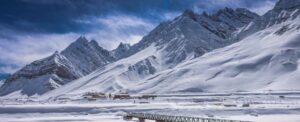
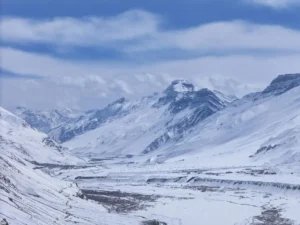
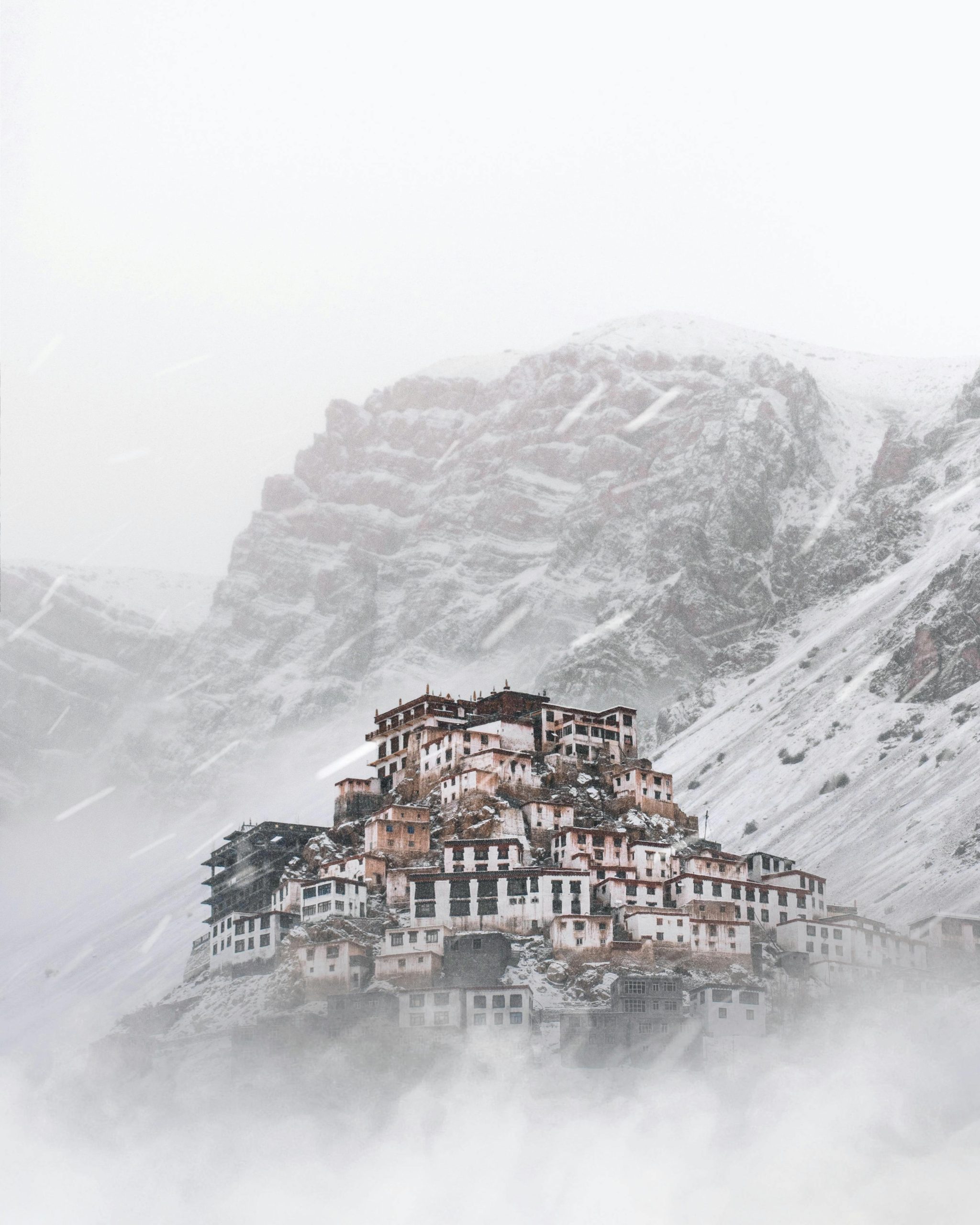
Most people visit Spiti when the sun is bright and the meadows are green. But there is a different version of Spiti—a silent, frozen, and monochromatic world that only reveals itself between December and March.
A winter expedition to Spiti Valley is not a “vacation.” It is a test of endurance, a dream for photographers, and the only time you can look into the eyes of the “Ghost of the Mountains”—the Snow Leopard. If you are planning to visit “White Spiti” in 2026, here is everything you must know to survive and thrive.
1. Why Visit Spiti in the Dead of Winter?
You might ask: Why go somewhere where the temperature hits -30°C? The answer lies in the exclusivity of the experience.
-
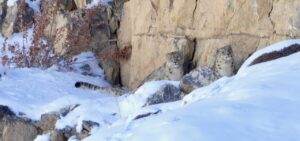
The Snow Leopard Quest: During summer, these predators stay at altitudes above 5,000m. In winter, as the snow covers the peaks, their prey (Blue Sheep and Ibex) moves down to the valleys near the villages. This is the only window to spot them.
-
Frozen Wonders: You will see the Spiti River flowing under a crust of ice, and waterfalls like the one at Lingti frozen into massive blue ice curtains.
-
The “Real” Spiti: With zero crowds, the local Spitian people have more time to share. You’ll find yourself sitting in a traditional kitchen, fueled by a wood-fire heater (Bukhari), drinking endless cups of butter tea.
2. The Logistics: How to Get There
In winter, the geography of Spiti changes. The Manali-Kaza route is closed due to 20+ feet of snow at Kunzum and Rohtang.
-
The Only Gate: You must enter and exit via the Shimla-Kinnaur route.
-
The Road Conditions: While the Border Roads Organization (BRO) works tirelessly, expect delays. Black ice is a major hazard. We only use 4×4 vehicles with snow chains for our winter expeditions.
-
The Journey: It typically takes 2 full days to reach Kaza from Shimla, with a mandatory stop at Kalpa or Reckong Peo to adjust to the dropping temperatures.
3. Survival: Living at -30°C
This is where most travelers get a reality check. Winter in Spiti is raw.
Water & Hygiene
-
The Frozen Pipes: There is no running water in Kaza or the villages in winter. Pipes freeze and burst.
-
The Dry Pit: You will use traditional dry toilets (compost toilets). It’s an eco-friendly local system that doesn’t require water.
-
The “Bucket” Life: Hot water is provided in buckets, heated over a wood stove. Showers are a luxury you might skip for a few days!
Electricity & Connectivity
-
Expect long power cuts. Solar power is the main source of light in many homestays.
-
BSNL remains the most resilient network, but even that can go down during heavy blizzards. Carry high-capacity power banks and keep them inside your blanket—cold drains batteries in minutes.
4. Packing for the Deep Freeze (The 4-Layer Rule)
Standard winter jackets won’t work here. You need a system:
-
Base Layer: High-quality merino wool thermals (top and bottom).
-
Mid Layer: A heavy fleece or a “puffer” vest.
-
Insulation Layer: A heavy down jacket rated for -25°C or lower.
-
Outer Shell: A windproof/waterproof jacket to block the biting Himalayan winds.
-
Extremities: Heavy mittens (not just gloves), wool-blend socks (carry 6 pairs), and insulated waterproof snow boots. Pro Tip: Bring “Warmee” heat pouches for your boots and gloves.
5. The Snow Leopard Expedition: What to Expect
If your goal is to see the Snow Leopard, you will likely stay in the village of Kibber or Chicham.
-
The Spotters: We work with local trackers who have “eagle eyes.” They spend hours scanning the ridges with telescopes.
-
The Wait: Wildlife photography requires extreme patience. You might spend 6 hours standing in the snow just to see a tail flick on a distant ridge.
-
The Ethics: We maintain a strict distance. 2026 guidelines focus on “Low Impact” tourism—no baiting, no chasing, and no shouting.
6. Health & Safety: The Silent Danger
At -30°C, your body works twice as hard just to stay warm.
-
Hydration: You won’t feel thirsty, but you must drink water. Dehydration leads to AMS (Altitude Sickness) much faster in winter.
-
Frostbite: Never touch metal with bare hands. Always keep your ears and nose covered when the wind picks up.
-
Oxygen: We carry portable oxygen cylinders on every winter trip. The air is thinner and colder, making breathing a bit more labored than in summer.
7. Is White Spiti for You?
Choose this trip if: You are a photographer, a seeker of silence, or someone who wants to experience the most extreme inhabited place in India.
Skip this trip if: You have heart or respiratory issues, you cannot live without a hot shower every day, or you are looking for a “leisure” holiday.