
Major Attractions of Spiti Valley: A Deep Dive into Culture & Spirituality (2026)
To the casual observer, Spiti Valley is a landscape of high mountains and dry riverbeds. But to those who look closer, it is a living museum of ancient Tibetan Buddhism, untouched by the rapid modernization of the plains. In Spiti, spirituality isn’t found in books; it is found in the fluttering of prayer flags, the hum of spinning wheels, and the silent meditation of monks in caves.
For your 2026 journey, here is a deep dive into the major cultural landmarks and the stories that make them sacred.
1. Key Monastery: The Living Citadel of Faith
Elevation: 4,166m (13,668 ft) | Founded: 11th Century
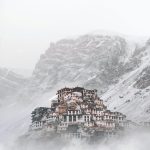
Key (or Ki) Monastery is the most photographed landmark in Spiti, resembling a fortress perched on a conical hill. It belongs to the Gelugpa (Yellow Hat) sect of Tibetan Buddhism.
-
The History: Key has survived a thousand years of history, including raids by Mongol armies and devastating earthquakes. This is why the architecture looks like a “huddle” of white rooms stacked on top of each other—it was built and rebuilt over centuries.
-
The Experience: Don’t just take a photo from the road. Walk inside. If you arrive by 7:00 AM, you can witness the monks’ morning chants (Puja). The sound of the long copper horns (Dungchen) echoing against the mountain walls is a sound you will never forget.
-
Pro Tip: In June or July 2026, the monastery hosts the Ki Chaam Festival. Monks perform ritualistic masked dances to symbolize the victory of good over evil.
2. Tabo Monastery: The “Ajanta of the Himalayas”
Elevation: 3,050m (10,010 ft) | Founded: 996 AD
While Key is perched high, Tabo sits on a flat valley floor, protected by mud walls. It is the oldest continuously functioning Buddhist enclave in India and the Himalayas.
-
The Mud Temples: Inside the nine temples of Tabo, you will find 1,000-year-old frescoes and life-sized clay statues. The Main Temple (Tsug la Khang) is a masterpiece of Indo-Tibetan art, reflecting a time when Kashmiri and Tibetan artists worked together.
-
The Meditative Silence: Unlike the busier Kaza, Tabo has a deep, heavy silence. Above the monastery are the Tabo Caves, where monks still go for long-term meditation retreats.
-
Cultural Fact: The current Dalai Lama has expressed his desire to retire to Tabo, highlighting its supreme spiritual importance.
3. Dhankar Monastery: The Fortress in the Sky
Elevation: 3,894m (12,774 ft) | Founded: ~1,000 Years Ago
Dhankar was once the capital of the Spiti Kingdom. The monastery is built on a “razor’s edge” cliff, overlooking the confluence of the Spiti and Pin Rivers.
-
Architecture of Survival: The old monastery is a labyrinth of dark, narrow passages and tiny prayer rooms. Because the cliff is eroding, the World Monuments Fund has listed it as one of the most endangered sites in the world.
-
The Vairochana Statue: Inside, you will find a rare statue of the four-sided Dhyani Buddha (Vairochana).
-
The Trek: A 45-minute uphill walk from the monastery leads to Dhankar Lake, a sacred high-altitude lake that offers a perfect spot for reflection.
4. The Mystery of Gue: The 500-Year-Old Mummy
Elevation: 3,050m (10,010 ft) | Discovery: 1975
Located just 35 km from Tabo, near the Indo-Tibetan border, lies the village of Gue. It houses one of the world’s most mysterious relics: the naturally mummified body of a monk named Sangha Tenzin.
-
Natural Mummification: Unlike Egyptian mummies, no chemicals or linen wraps were used here. It is believed the monk began the process of Sokushinbutsu (self-mummification) through a slow process of starvation and meditation while still alive.
-
The Legend: Locals believe that when the monk’s spirit left his body, a rainbow appeared, and a devastating plague of scorpions that was destroying the village suddenly ended.
-
State of Preservation: Even after 500 years, the mummy’s skin, hair, and teeth remain remarkably intact.
5. Kaza: The Pulsing Heart of Modern Spiti
While the monasteries hold the past, Kaza represents the present.
-
Kaza Market: In 2026, Kaza has become a hub for travelers. You can find everything from yak-wool shawls to cafes serving “Spiti-style” pizzas.
-
The Social Culture: Visit the local cafes like Ecosphere to learn about sustainable tourism. They help the local community by promoting “Carbon Neutral” travel—a great topic to include in your own branding.
Cultural Calendar: Festivals in 2026
If you want to see Spiti at its most vibrant, plan your trip around these dates:
-
Losar (February 18, 2026): The Tibetan New Year. This is the biggest celebration, with 15 days of feasting and dancing in the snow.
-
Ladarcha Fair (August): Originally a trade fair between Tibet and India, it is now a massive cultural festival in Kaza with horse racing and local sports.
-
Chakhar Mela (September): This happens only once every three years at Tabo. 2026 is a key year for local fairs, so check local dates closer to your travel!




Nemo enim ipsam voluptatem quia voluptas sit aspernatur aut odit aut fugit, sed quia consequuntur magni dolores eos qui ratione voluptatem sequi nesciunt.