7th Century
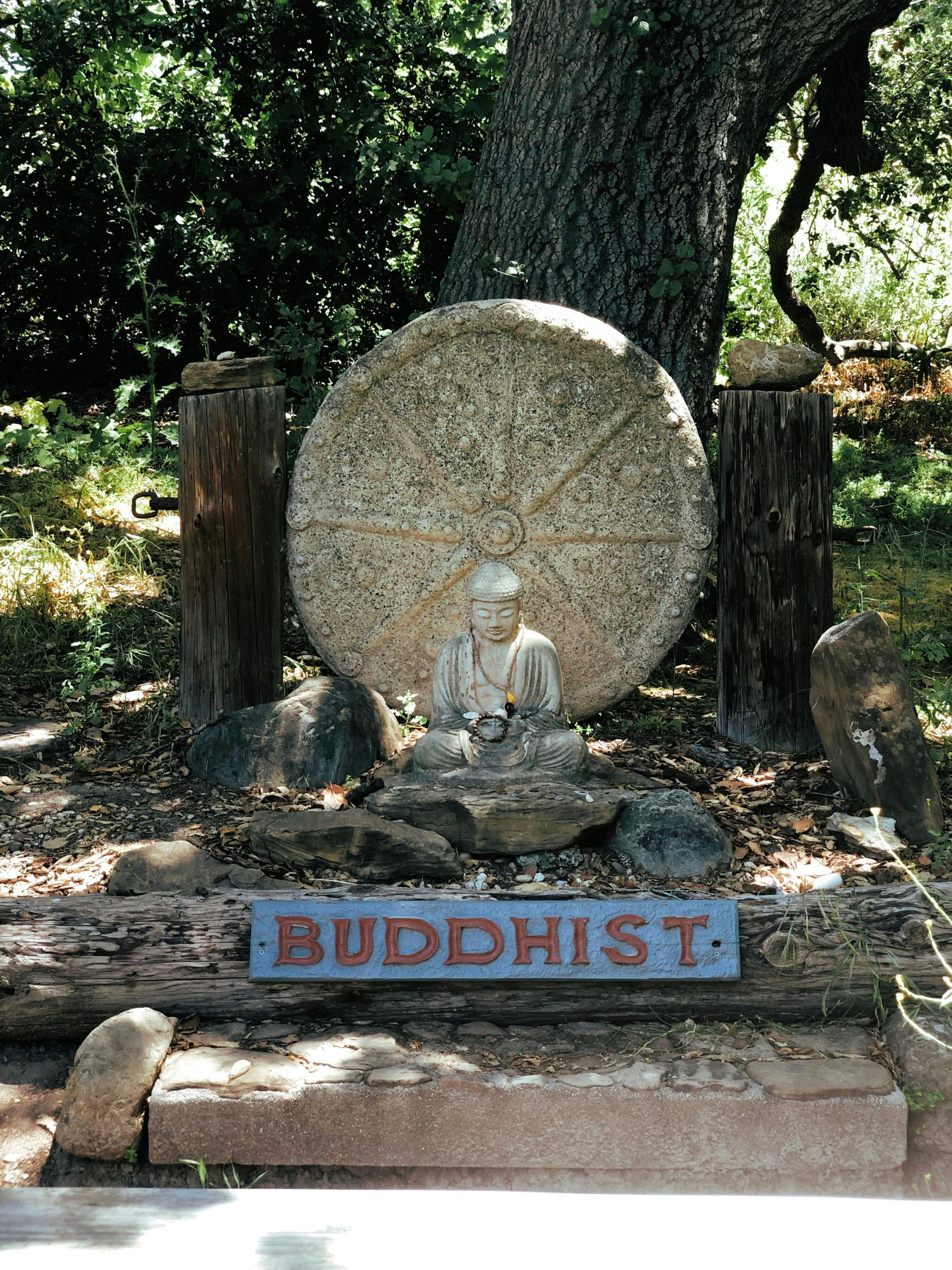
Buddhism spread into Spiti, shaping culture, monasteries, and spiritual traditions that continue today.
10th Century
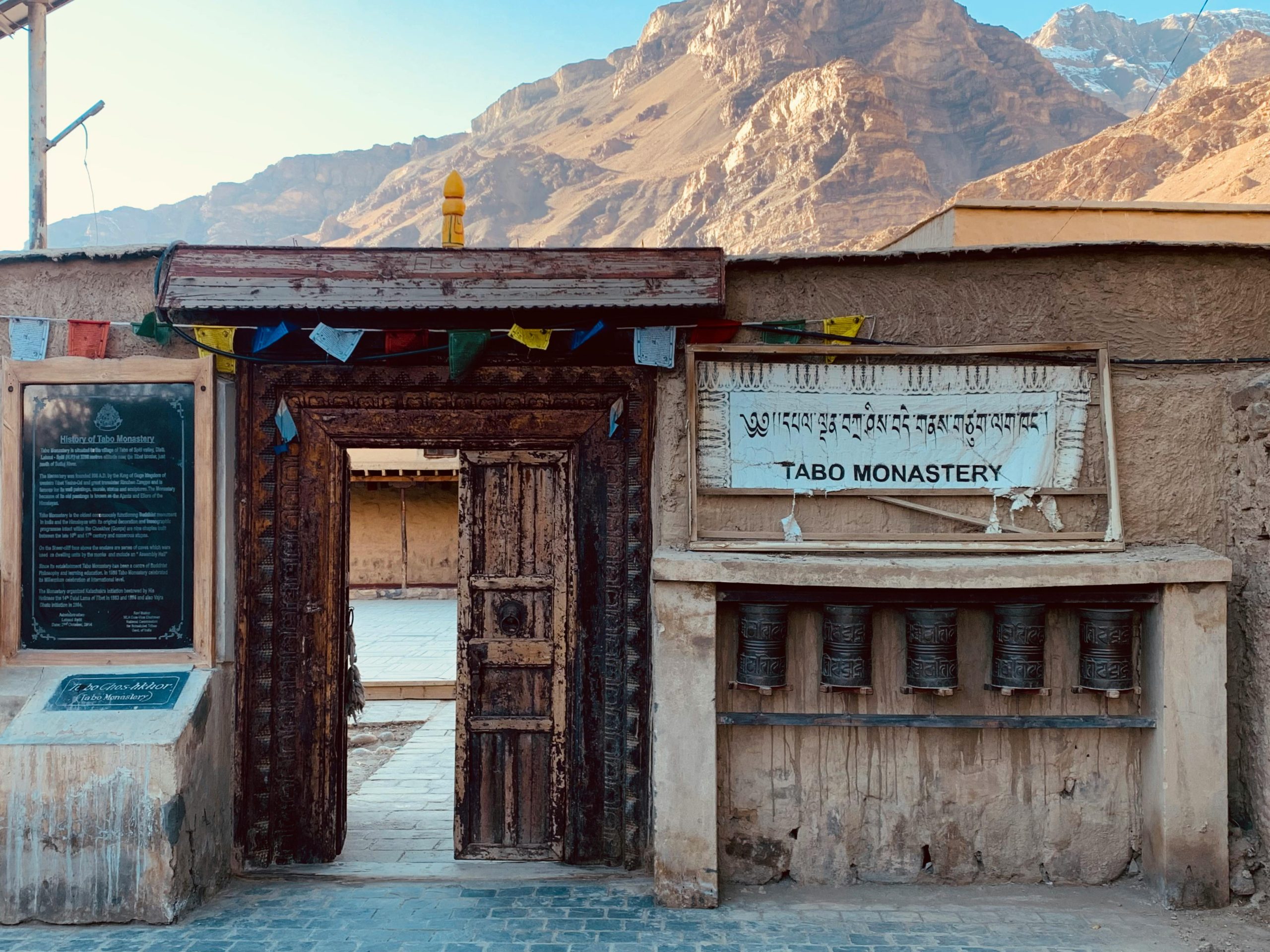
Ancient monasteries like Tabo were founded, making Spiti a major center of Himalayan Buddhism.
11th Century
Tabo Monastery constructed, becoming one of the oldest continuously operating Buddhist monasteries in the world.
Rule of Ladakh Kings
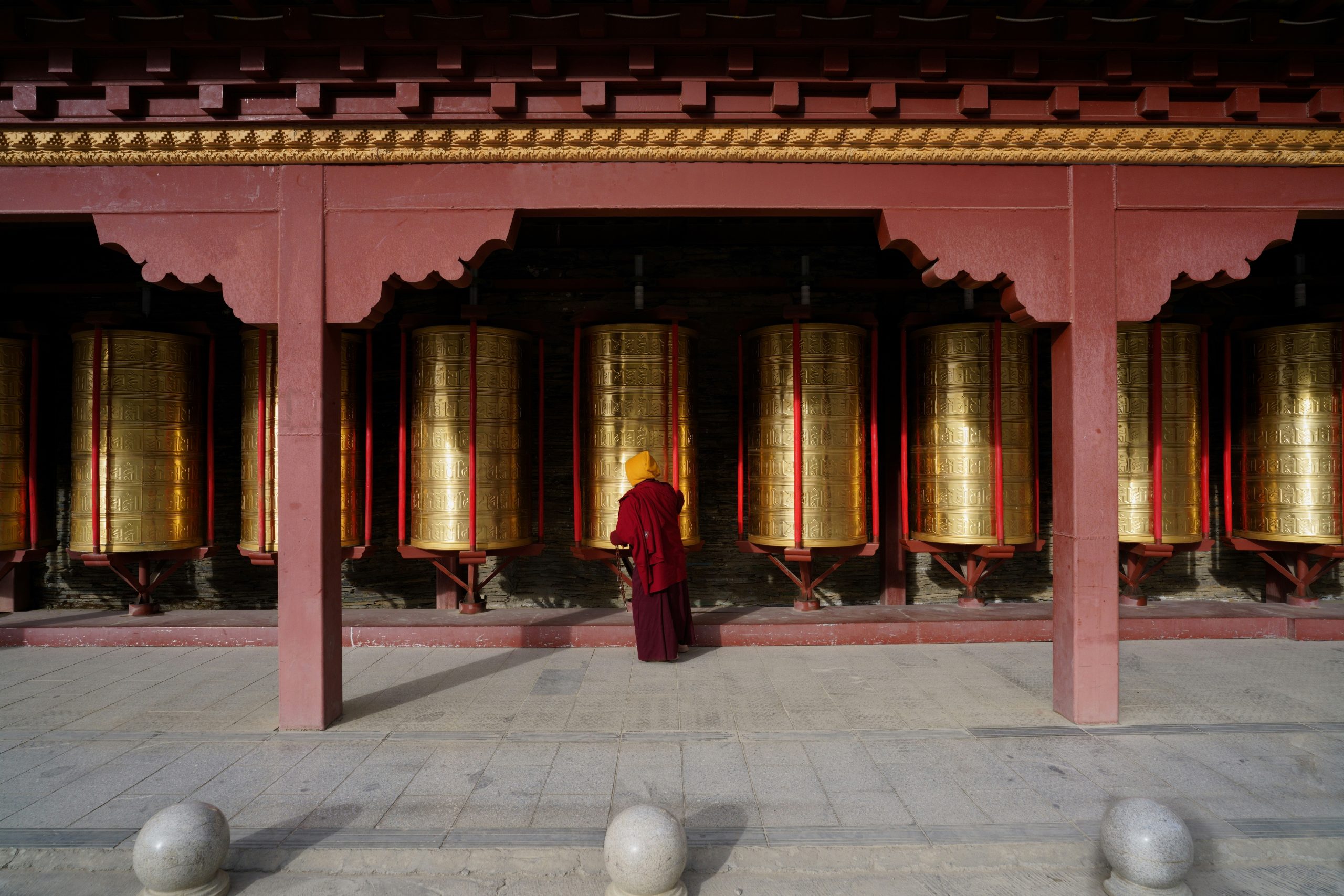
Spiti came under Ladakhi rule, strengthening Tibetan cultural and religious influence across the region.
British Administration
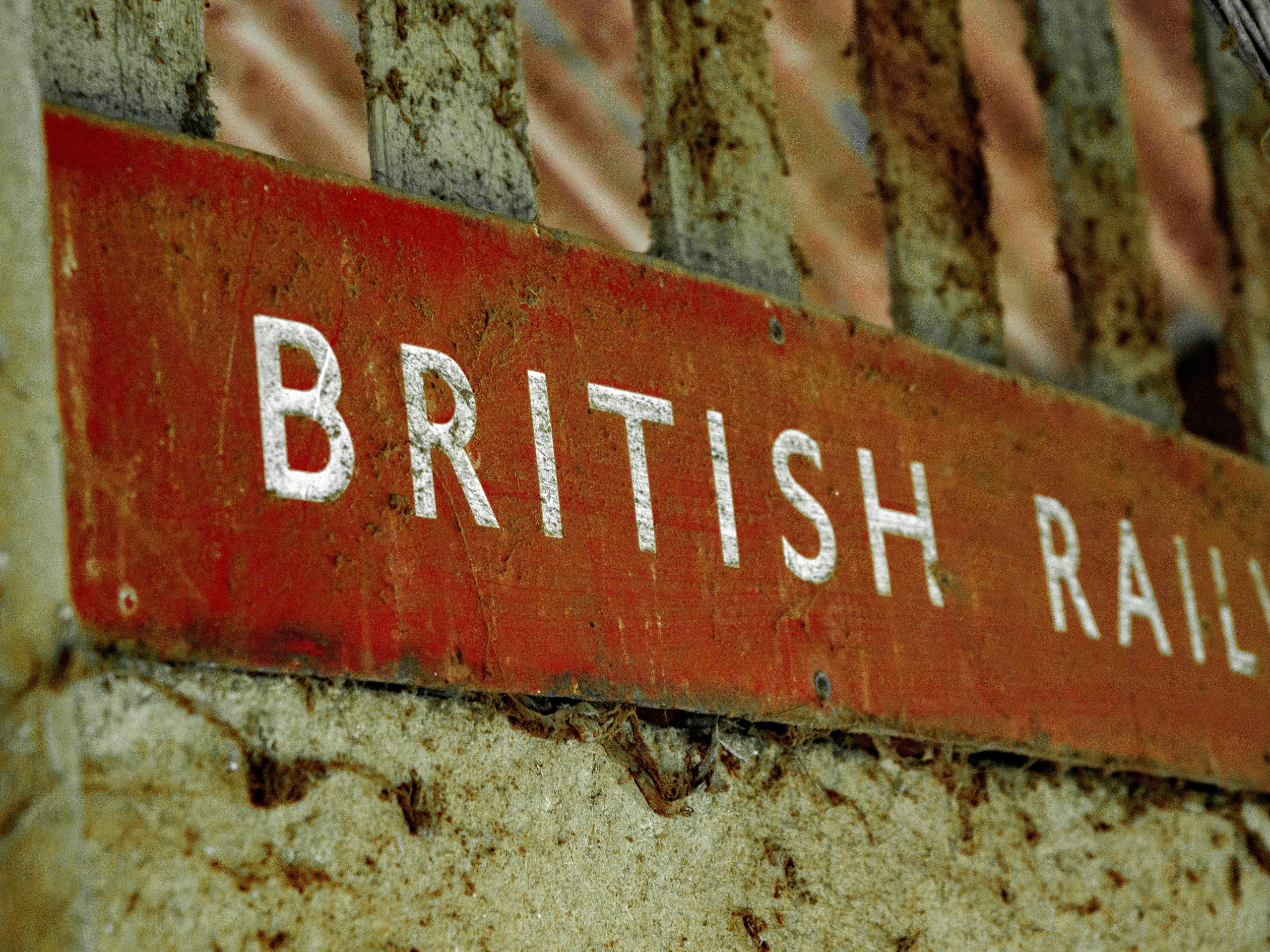
Spiti was brought under British India, yet remained isolated due to harsh terrain and climate.
Border Restrictions Imposed
After Indo-China war, Spiti became a restricted border area, limiting travel and outside access.

Opened to Tourism
Spiti Valley officially opened to Indian tourists, slowly introducing modern travel and development.
21th Century
Spiti gained popularity for responsible tourism, preserving its fragile ecosystem and cultural heritage.