
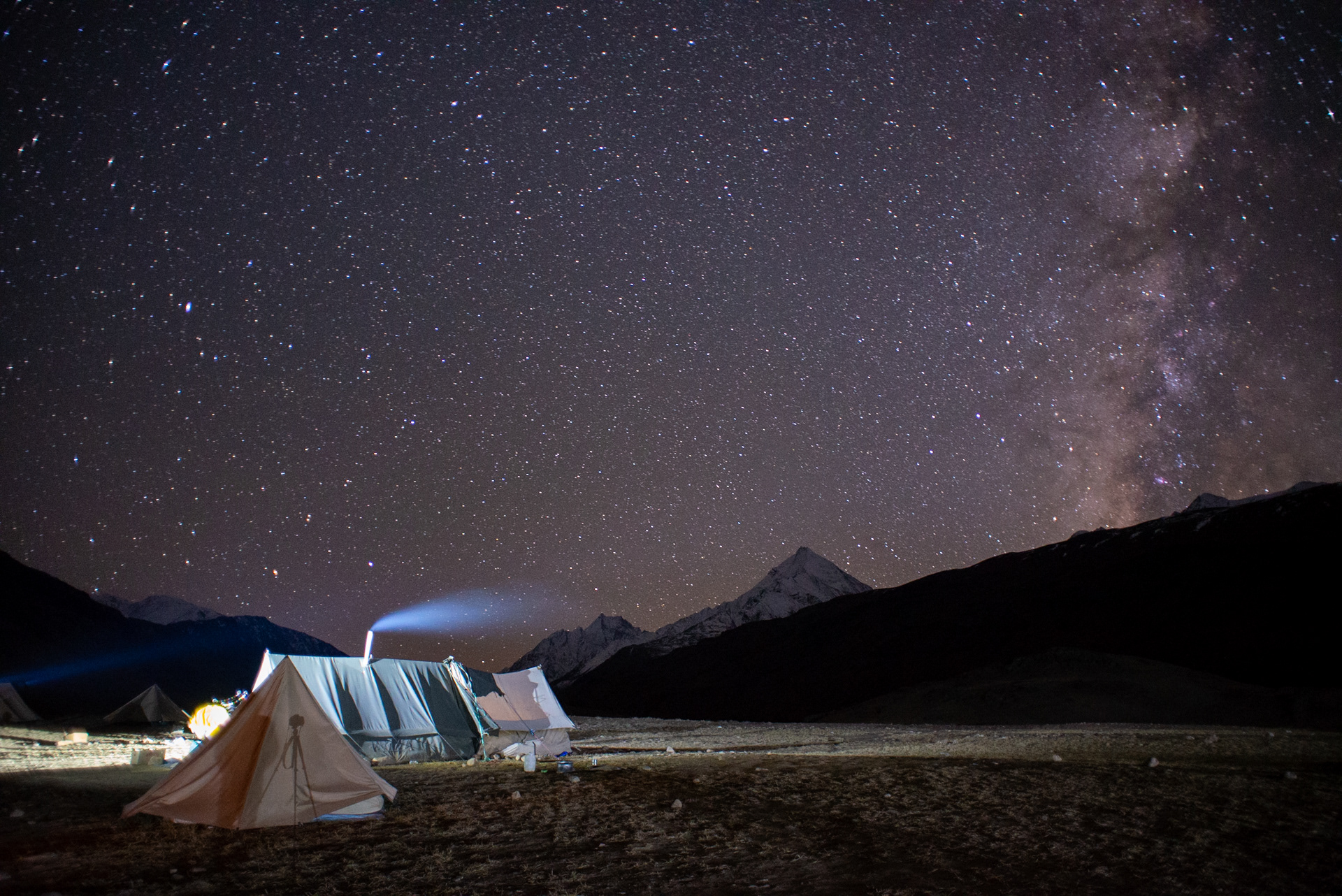
Stargazing in Spiti Valley: A Guide to the Best Dark Sky Spots
In a world where 80% of the population lives under light-polluted skies, Spiti Valley remains a rare sanctuary for the stars. Sitting at an average altitude of 12,500 ft, the air here is so thin and dry that the atmosphere doesn’t distort the light from distant galaxies.
In 2026, Spiti is becoming the go-to destination for Astro-tourism in India. Whether you are a professional astrophotographer or someone who just wants to see the Milky Way for the first time, here is your definitive guide to the heavens above Spiti.
1. Why Spiti is a “Class 1” Stargazing Destination
On the Bortle Scale (which measures the darkness of the night sky), most of Spiti falls into Class 1 or 2. This means the sky is so dark that the Milky Way can cast a visible shadow on the ground.
-
Zero Light Pollution: Aside from the small town of Kaza, most villages use minimal street lighting, ensuring total darkness.
-
Low Humidity: The cold desert climate means there is almost no moisture in the air to blur your view.
-
The Kaza Astro-Facility: New for 2026, the Himachal government has launched a dedicated stargazing facility in Kaza, equipped with high-end telescopes and trained local guides.
2. Top 5 Places for Stargazing & Astrophotography
1. Langza (The Buddha’s Watch)
Langza is arguably the most famous spot for night photography. The giant 1,000-year-old Golden Buddha statue sits on a hill facing the sky.
-
The Shot: Between May and July, the Galactic Core of the Milky Way rises directly behind the Buddha statue.
-
Note: At 4,400m, it gets incredibly cold at night. Wear your heaviest thermals!
2. Chandratal Lake (The Darkest Void)
Because there are no permanent human settlements near the “Moon Lake,” it is probably the darkest spot in the entire valley.
-
The Reflection: On a calm night, the still waters of the lake act as a mirror, reflecting the entire cosmos.
-
Logistics: You must stay in the designated camping area (2 km away). Walking to the lake at night should only be done with a local guide.
3. Kibber Village (The Natural Mirror)
Kibber is surrounded by limestone cliffs. On a starlit night, these white rocks catch the light and glow, creating a “surreal blue” landscape that doesn’t even require a flashlight to navigate.
4. Dhankar Monastery (Culture & Cosmos)
Dhankar sits on a cliff edge. Photographing the ancient mud-walls of the monastery against a backdrop of star-trails is a favorite for professional photographers.
5. Pin Valley (The Silent Sky)
Pin Valley is less crowded than Kaza. If you want a “slow” stargazing experience where you are the only person for miles, the open grounds near Mudh Village are perfect.
3. Celestial Events to Watch for in 2026
If you are planning your trip, try to align your dates with these rare events:
-
August 12-13, 2026 (Perseid Meteor Shower): This will be the best show of the year. In 2026, the peak coincides with a New Moon, meaning the sky will be perfectly dark. You can expect to see up to 100 shooting stars per hour!
-
May 5-6, 2026 (Eta Aquariid Meteor Shower): Best seen in the early morning hours.
-
June 8-9, 2026 (Venus-Jupiter Conjunction): Look to the West shortly after sunset to see the two brightest planets appear almost as a “double star.”
4. The Golden Rule: The Lunar Calendar
The biggest mistake travelers make is visiting during a Full Moon.
-
The Problem: A full moon is so bright it “washes out” the stars. You won’t be able to see the Milky Way.
-
The Strategy: Always plan your trip for 3 days before or after a New Moon (Amavasya). This is when the sky is at its deepest black.
5. Tips for Night Photography in Spiti
-
Protect Your Gear: The extreme cold drains batteries 3x faster. Keep your spare batteries inside your jacket (close to your body heat).
-
Lens Fogging: When moving your camera from a warm car/room to the cold night, the lens will fog. Give it 20 minutes to “acclimate” to the temperature before you start shooting.
-
Red Light Only: Use a red-light headlamp. White light ruins your “night vision,” taking your eyes 20 minutes to adjust back to the darkness.
-
Star Apps: Download Stellarium or Star Walk 2 for offline use, as you won’t have a data signal in the high villages.



Nemo enim ipsam voluptatem quia voluptas sit aspernatur aut odit aut fugit, sed quia consequuntur magni dolores eos qui ratione voluptatem sequi nesciunt.